YouTuber brand expansion: Tips for a creator product launch
"The transition from a screen-based personality to a physical brand owner requires a strategic shift from content creation to product management. By leveraging a loyal audience, creators can transform digital influence into tangible business assets."
A YouTuber brand expansion often begins with the realization that digital engagement can translate into physical product sales.
This guide explores how creators move from video production to product launches, focuses on the influencer business model, and examines the mechanics of a creator product launch.

Key takeaways include understanding audience-driven demand, managing the transition from content to commerce, and recognizing the limitations of niche-based scaling.
How does a YouTuber brand expansion work?
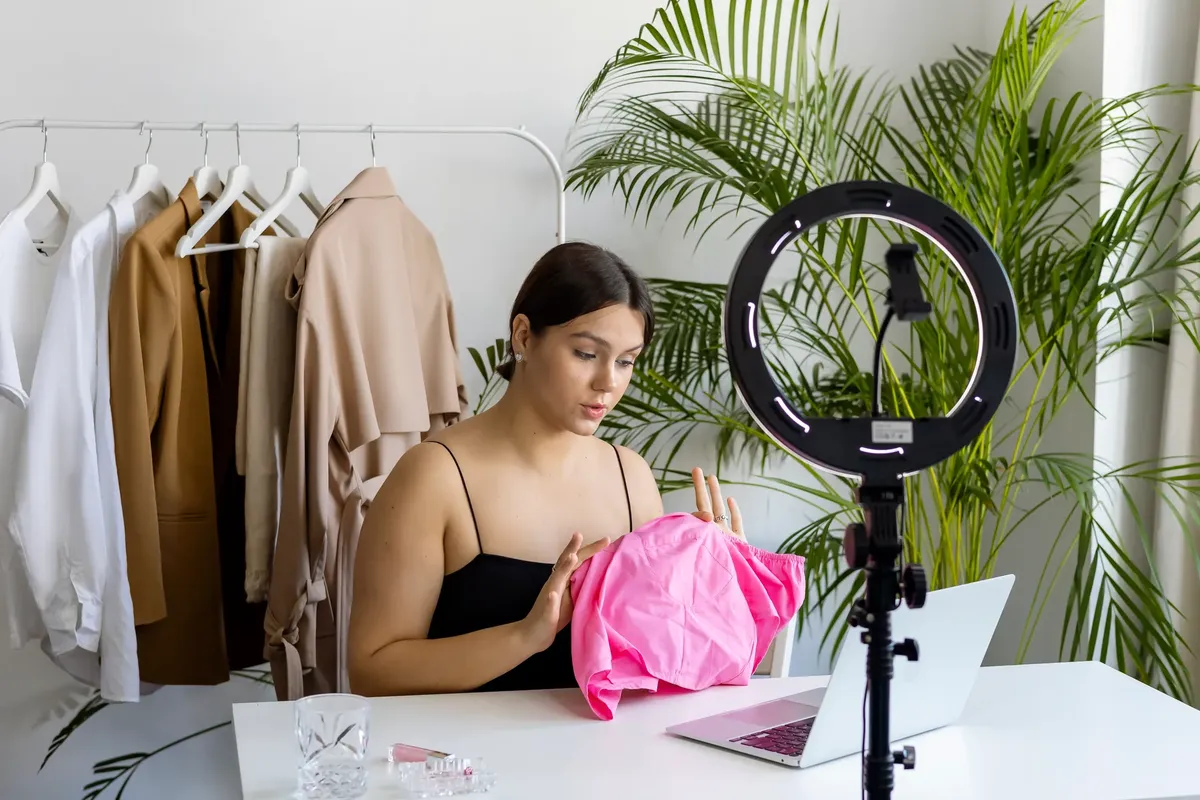
A creator sits at a desk, adjusting a ring light before glancing at a prototype of a new product. They realize that their influence is not just in the views, but in the trust they have built with their viewers over thousands of hours of footage.
According to World Bank data, Mexico recorded share of internet users of 83.1% in 2024.
The process involves turning a personal identity into a recognizable commercial entity. An influencer business model relies on the unique relationship between the creator and the consumer, where the creator's lifestyle or expertise serves as the primary marketing tool.
Instead of traditional advertising, the brand is built through consistent storytelling and authentic engagement. This allows for a seamless transition when moving from digital content to physical goods.
- Identify an audience pain point or interest.
- Develop a product or service that addresses that need.
- Integrate the brand into existing content workflows.
What actually drives my product launch?
Under the warm glow of the studio lights, you grip the heavy glass bottle, feeling the pulse of excitement as a youtuber prepares to share a tangible dream. As the bright studio lights hum, you grip the heavy bottle tightly, feeling the excitement of a youtuber finally releasing a physical creation.
A hand reaches out to pick up a newly designed cosmetic bottle, testing the weight and texture against the light of a studio. The creator is no longer just filming a tutorial; they are managing a supply chain.
Successful product development often stems from addressing specific gaps identified by the audience.
In the beauty sector, for example, data shows that in 2016, there were more than 5.3 million beauty videos on YouTube, with 86% of the top 200 beauty videos created by individual beauty vloggers, as opposed to marketers using the platform to promote cosmetic brands.
This high concentration of individual creators suggests that personal brand growth is driven by individual authority rather than corporate marketing. Creators use this authority to launch products that solve specific problems their viewers face.
In this sequence, the second step is the most extensive.
How to manage personal brand growth?
A creator reviews a spreadsheet of production costs while a camera remains mounted on a tripod in the background. They must balance the time spent filming with the time required for business operations.

To maintain momentum while scaling, creators should follow these steps:
- Identify a product category that aligns with the established content niche to ensure authenticity. 2. Develop a prototype that reflects the unique aesthetic or functional standards of the personal brand. 3. Execute a multi-channel rollout that integrates product demonstrations directly into existing video formats.
I remember checking the first shipment of inventory, realizing that the shift from filming to fulfillment was a massive logistical leap.
What are the risks of my YouTube side hustle? A creator stares at a laptop screen, comparing engagement metrics with rising manufacturing costs. The reality of physical inventory presents challenges that digital files do not.
Diversification can lead to complexity that threatens the original content quality. If a creator focuses too much on logistics, the very content that built the brand might suffer. This imbalance can alienate the core audience if the products feel forced or low-quality.
Maintaining the original creative spark while managing a company requires strict time management and often requires hiring a dedicated team to handle operations.
| Metric | Digital Content Focus | Physical Product Focus |
|---|---|---|
| Primary Asset | Video Files and Metadata | Physical Inventory and Supply Chain |
| Scaling Driver | Audience Reach and Views | Product Quality and Distribution |
Can a brand expand into any category?

A creator looks at a shelf of various products, wondering which one to introduce next. They realize that not every niche allows for easy physical expansion.
The ability to expand depends heavily on the specific niche and the depth of the creator's expertise. While a beauty vlogger can easily launch a makeup line, a gaming creator might find it harder to move into lifestyle goods without losing relevance.
The expansion must feel like a natural extension of the creator's persona. If the leap is too wide, the brand may lose its credibility.
Related
- Mexico YouTuber global reach why local stories matter
- Mexican beauty YouTuber success best tips for brand building
What conditions must be met for successful scaling? Successful scaling requires the creator to maintain the authenticity of their personal brand while simultaneously managing the complexities of physical product distribution. The creator must ensure that the transition from a screen-based personality to a physical brand owner does not dilute the trust established with the audience.
When a creator attempts to scale, the primary condition is the alignment of the product category with the established content niche. This alignment ensures that the product launch feels like a natural extension of the creator's persona, rather than a forced commercial endeavor.
The creator must also address the logistical challenges of physical inventory, which differs significantly from the management of digital files and metadata.
Managing the Transition and Risk The transition from a screen-based personality to a physical brand owner demands careful risk assessment regarding audience perception. The creator must recognize that focusing too heavily on logistics can lead to a decline in content quality, which may alienate the core audience. This caution is vital because the original creative spark is what built the brand in the first place.
- The creator must identify a product category that aligns with the established content niche to ensure authenticity. 2. The creator must develop a prototype that reflects the unique aesthetic or functional standards of the personal brand. 3. The creator must execute a multi-channel rollout that integrates product demonstrations directly into existing video formats.






Comments 0