Mexico food content growth: Why local traditions connect
The explosion of digital food media is driven by high connectivity in specific regions, allowing creators to bridge cultural divides through visual storytelling. This analysis explores how Mexican food content growth serves as a blueprint for reaching global audiences through specialized culinary narratives.
This report is for content creators and digital marketers interested in the mechanics of international audience scaling. It provides a comparison of demographic trends and the challenges of managing large-scale digital food production.
Key takeaways include the impact of high internet penetration on content reach and the critical importance of food safety standards in globalized media.
How does Mexico food content growth occur?

At dusk in a sun-drenched kitchen, I smell the spicy aroma of Mexico as I adjust the lens to capture rising steam.
A digital creator sits in a vibrant kitchen, adjusting a camera lens to capture the steam rising from a fresh tortilla. This visibility is fueled by significant digital infrastructure in the region. According to World Bank data, Mexico recorded share of internet users of 83.1% in 2024.
This high connectivity allows local culinary traditions to reach a massive, interconnected audience.
The shift toward video-based consumption has changed how we perceive regional cuisine. Global food video trends suggest that viewers crave authenticity and high-quality visuals of traditional cooking methods.
As creators refine their production, they tap into a massive digital market that values the sensory experience of food preparation.
- Local creators film traditional recipes.
- Social media algorithms promote regional flavors.
- Global audiences discover unique culinary heritage.
What drives the scaling of a digital food audience?
I watch the glowing screen at midnight while feeling the warmth of the kitchen as Mexico trends globally.
A creator monitors a dashboard showing thousands of new followers from different continents. Scaling a food audience involves understanding how to translate local flavors into a universal visual language.
How food vloggers grow often depends on their ability to showcase ingredients that are recognizable yet exotic to a global viewer.
Cultural authenticity serves as the foundation for long-term engagement. Many creators find that showing the process from farm to table builds a unique connection with viewers.
Mexican food creator success is frequently tied to the visual richness of ingredients and the storytelling inherent in traditional recipes.
In this sequence, the second step is the longest.
According to World Bank, the 2024 record includes 83.1%.
Why is the impact of travel vloggers significant?
I walk through the dusty street in Mexico and feel the intense heat as I film the local stalls.
A traveler walks through a crowded local market, filming the colorful displays of spices and produce. This direct interaction with food sources creates a sense of immersion. The travel vlog impact on growth is evident when viewers feel they are experiencing a culture alongside the creator.
The move from local to global requires a specific content strategy. Many creators utilize these immersive experiences to build a brand that transcends language barriers. By documenting the journey of ingredients, they create a narrative that appeals to a broad demographic.
Is the connection between agriculture and digital media real?

A farmer harvests corn under a bright sun, unaware that his work will soon appear on a smartphone screen. The intersection of traditional production and digital consumption is becoming increasingly apparent.
Food and agricultural systems are one of the major contributors to climate change, accounting for as much as 37% of total greenhouse gas emissions.
The scale of global production is vast, influencing the content creators who cover these topics. Corn (maize), wheat, and rice account for 87% of all grain production worldwide. As creators explore these staples, they highlight the massive scale of the global food supply chain.
How is food safety managed in a globalized market?
A chef meticulously cleans a workstation to ensure every ingredient is handled with care. As food content expands globally, the implications of food safety become more prominent in public discourse.
According to the World Health Organization (WHO), about 600 million people worldwide get sick, and 420,000 die each year, from eating contaminated food.
The responsibility of maintaining standards is shared across various sectors.
Food safety and security are monitored by international agencies, like the International Association for Food Protection, the World Resources Institute, the World Food Programme, the Food and Agriculture Organization, and the International Food Information Council.
What are the challenges of large-scale food production?
A massive harvester moves through a field, part of a complex global network. The demand for food content often mirrors the complexities of the actual food supply.
Just over half of the world's crops are used to feed humans (55 percent), with 36 percent grown as animal feed and 9 percent for biofuels.
The scale of this operation is enormous. While digital creators focus on the aesthetic, the reality of the supply chain involves significant resource management. This topic is limited to the analysis of digital content growth and general agricultural statistics.
How do demographics affect foodborne illness?
The burden of foodborne illness is not distributed equally across all age groups. Children under five years of age account for 40% of the burden of foodborne illness, with 125,000 deaths each year.
What role does land use play in food production?
The use of land is a significant factor in regional food availability. According to World Bank data, Mexico recorded agricultural land share of 50.6% in 2024.
Understanding the mechanics of global food media requires looking at the intersection of high internet usage and the vast complexities of the global food supply.
How do digital trends influence content strategy?
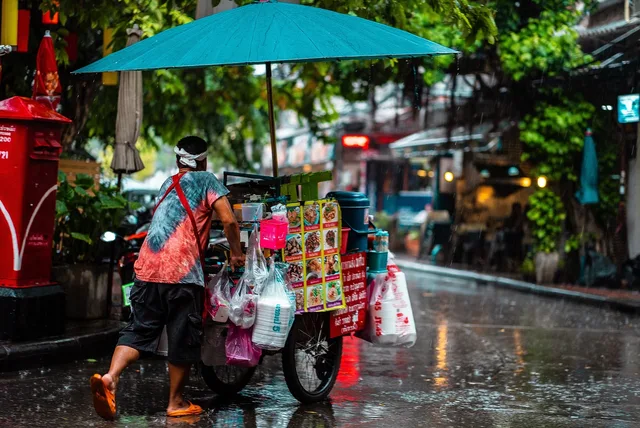
Content creators must adapt to the explosion of video-based consumption to maintain relevance. This shift requires a focus on high-quality visuals to capture the sensory experience of food preparation. When creators refine their production, they better tap into the massive digital market.
What risks are associated with global food distribution?
Contaminated food causes illness in about 600 million people and death in 420,000 people annually. This risk necessitates strict adherence to food safety standards. The responsibility for maintaining these standards is shared across various sectors to mitigate these dangers.
The subject here is Mexico food content growth.
The same subject is also called Online eating content boom.
This part also covers From Mexico to worldwide views.
Related





Comments 0