Mexico food vlogger tips guide for best food exploration
"The journey of a food explorer begins not in a kitchen, but in the courage to leave the familiar behind for the unknown flavors of the world."
Creating high-quality global food content requires a blend of formal culinary education, personal financial discipline, and the willingness to pivot from traditional academic paths to immersive field experiences.
Aspiring creators can learn from the trajectory of Trevor James, who transitioned from a Master's program to specialized culinary institutes and solo travels.
This guide explores how to build a foundation for food travel, though it is limited to the biographical and environmental context of professional food exploration rather than technical camera settings.
* Prioritize immersive culinary training over traditional academic degrees. * Budget strictly for long-term, low-cost regional explorations. * Understand the environmental impact of the agricultural systems you document. * Acknowledge the global scale of food safety and security risks.
How can a traveler prepare for global food exploration?
At dusk, I sit at a dusty desk and feel the grit of old banknotes while planning my trip to mexico.
A traveler sits at a wooden desk, counting saved bills and marking dates on a calendar. To prepare for a journey like the one undertaken by Trevor James, one must focus on both education and financial readiness.
He once saved up $5,000 CAD through a summer job to fund a four-month period in South East Asia. This shows that disciplined saving is a prerequisite for the mobility required in this niche.
Building a foundation involves more than just buying a ticket. James demonstrated a commitment to learning by enrolling in the Higher Institute of Cuisine at the Sichuan Tourism College in August 2016, even after leaving a Master's program.
This move toward specialized, hands-on learning provides the necessary context for discussing local ingredients. Such preparation allows a creator to move beyond simple tasting into true cultural storytelling.
However, these preparations may be less effective if you are traveling to regions with extreme dietary restrictions.
What are the Mexico food vlogger tips for understanding local landscapes?
A vlogger stands in a wide, sun-drenched field, looking at the vast stretch of greenery ahead. When documenting regions like Mexico, understanding the land's scale is vital for context. According to World Bank data, Mexico recorded an agricultural land share of 50.6% in 2024.
This high percentage of land dedicated to farming provides a rich backdrop for any Mexico food vlogger tips regarding the origins of ingredients.
A global food explorer guide should also consider the environmental footprint of the food being filmed. Conventional agriculture relies heavily on fossil fuels, contributing to climate change by accounting for as much as 37% of total greenhouse gas emissions.
By recognizing these systemic impacts, a creator adds depth to their narrative. This awareness transforms a simple meal review into a meaningful commentary on how food is produced and distributed.
However, these visual techniques might not work as well in areas with very low natural light.
How does one implement a food travel growth strategy?
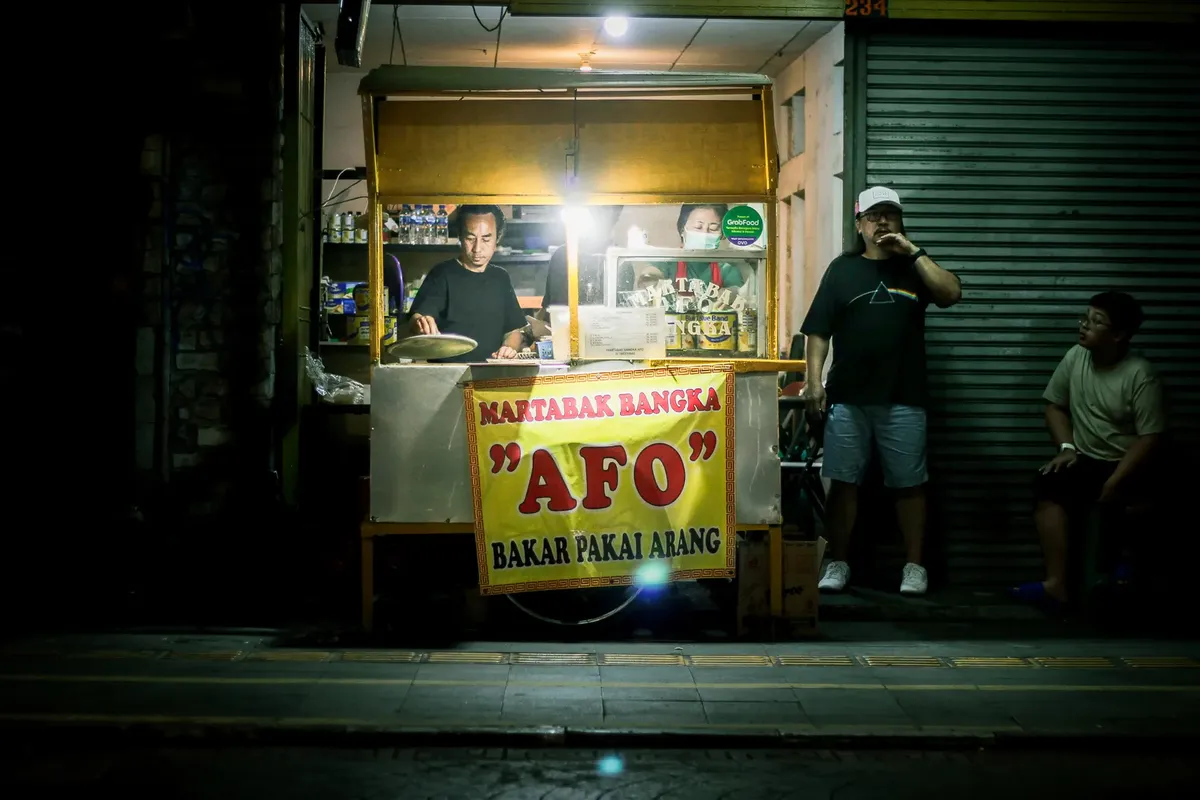
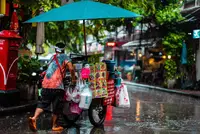
A creator holds a camera steady while walking through a crowded, steaming night market. To manage the complexities of international food travel, one should follow these steps:
- Secure specialized culinary knowledge to validate your expertise. 2. Allocate a specific budget, such as the $5,000 CAD used for regional travel, to ensure longevity. 3. Research the local agricultural landscape to explain the "why" behind the ingredients.
I followed a similar path of prioritizing hands-on experience over long-term theoretical study to grasp the reality of local kitchens. After completing these steps, always check the local food safety environment. Understanding the risks is part of being a responsible explorer.
- Identify your niche audience.
- Create consistent content schedules.
- Engage with your community regularly.
What are the local cuisine travel secrets regarding food safety?
A traveler pauses before a street food stall, observing the preparation process with keen eyes. While the flavors are enticing, the reality of global food consumption involves significant risks.
According to the World Health Organization (WHO), about 600 million people worldwide get sick, and 420,000 die each year, from eating contaminated food. This statistic underscores why a food ranger content growth strategy must include a focus on hygiene and safety.
A professional approach involves recognizing that food safety is a global concern monitored by multiple entities. The World Food Programme and the Food and Agriculture Organization are among the agencies that monitor food security.
By understanding these broader frameworks, a creator can better navigate the tension between authentic street food and health risks. This knowledge helps the audience appreciate the delicacy of the culinary adventure.
However, these precautions do not guarantee total immunity from all local illnesses.
What is the best practices for food travel in terms of nutrition?
A person sits at a small table, peeling a bright piece of fruit while sunlight hits the juice. When providing a global food explorer guide, it is helpful to note the nutritional profiles of what is being eaten.
For example, fruit can consist of up to 90% water and contains high levels of simple sugars and vitamin C.
| Nutritional Component | Typical Value |
|---|---|
| Fruit Water Content | Up to 90% |
| Milk Protein (per 240 mL) | About 8 grams |
Using these basic facts helps ground the sensory experience in reality. A food ranger content growth strategy thrives when it balances the "wow" factor of exotic meals with the tangible, scientific reality of nutrition. This makes the content accessible to a wider audience interested in health.
However, these guidelines may not apply to individuals with specific medical dietary needs.
How can I grow a global food channel?
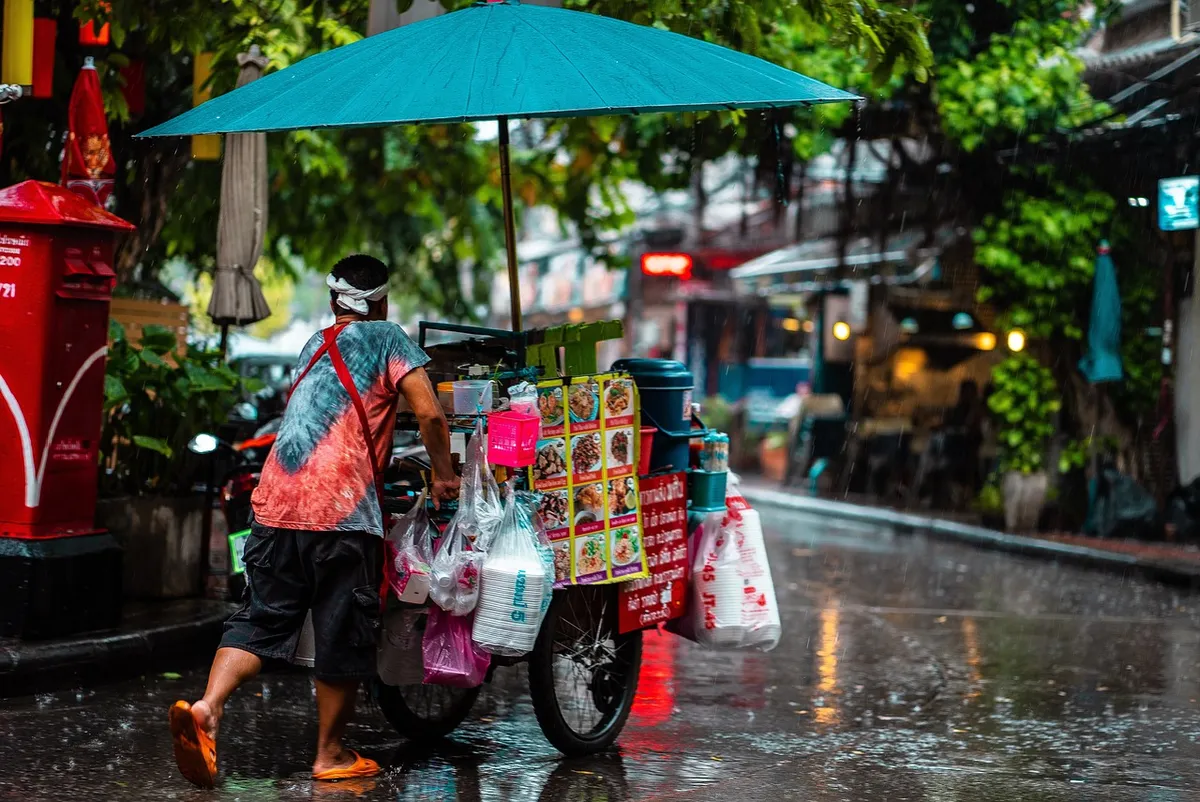
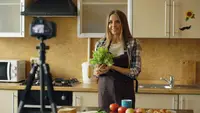
A creator watches the playback of a video, seeing the vibrant colors of a spice market on the screen. Growing a channel requires more than just eating; it requires the "How Trevor James made food videos" approach of combining education with adventure.
This involves using local cuisine travel secrets to find stories that others miss.
When applying the "Growing a global food channel" philosophy, one must realize that the content is part of a much larger global system. As you document the beauty of a meal, you are also documenting a world where food and agricultural systems account for 37% of greenhouse gas emissions.
This dual perspective is what separates a hobbyist from a professional storyteller.
In this sequence, the second step is the most time-consuming.
The same subject is also called Mexico food journey tips.
Related

Comments 0