Mexico food travel guide: How to build content success
"The world is a kitchen, and every destination offers a new ingredient for those willing to taste it."
Global food content creators can leverage Mexico's massive tourism appeal and rich agricultural landscape to build international audiences. This guide explores how to tap into these sectors, focusing on the connection between traveler volume and local food production.
You should avoid focusing solely on luxury dining to ensure broad appeal, and realize that content success depends on navigating specific regional logistics.
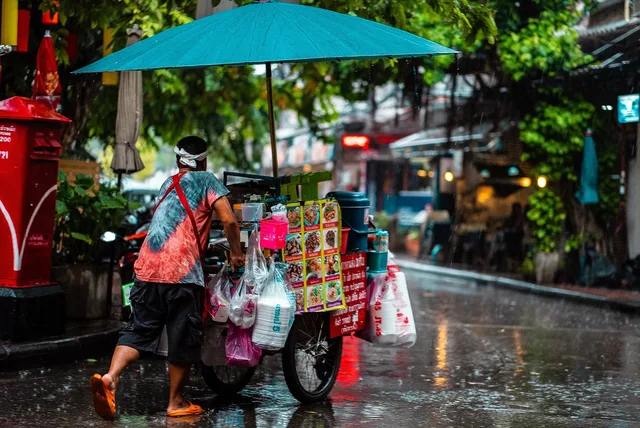
* Leverage high international tourist arrival numbers. * Connect culinary stories to agricultural land usage. * Utilize diverse travel experiences to build authenticity.
How can a Mexico food travel guide scale?
At sunset in a crowded Oaxaca plaza, I feel the warm steam of a tamale against my face while filming my Mexico food travel guide.
A creator sits in a bustling plaza in Oaxaca, filming the steam rising from a fresh tamale. To build a successful Mexico food travel guide, one must tap into the existing massive flow of travelers to the region.
According to World Bank data, Mexico recorded international tourist arrivals of 51,128,000 in 2020. This high volume of visitors provides a built-in audience of people searching for dining recommendations and cultural insights.
By targeting the specific needs of these millions of travelers, creators can ensure their content reaches a pre-existing global interest group.
To scale your reach, expand your coverage from specific cities like Mexico City or Oaxaca to entire culinary regions, then eventually transition into broader Latin American food trends.
What are some Global food content ideas?
A camera lens captures the vibrant colors of a market stall filled with chilies and corn. Generating Global food content ideas requires looking beyond the plate to the origins of the ingredients.
Successful creators often link the food they eat to the land that produces it. For example, understanding the scale of local farming provides depth to a food vlog. According to World Bank data, Mexico recorded agricultural land share of 50.6% in 2024.
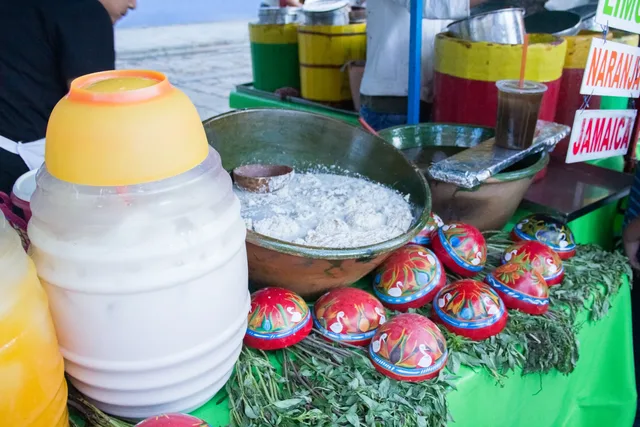
Highlighting this connection helps viewers understand the relationship between the landscape and the kitchen.
Consider filming street food tours in major metropolitan hubs, comparing regional variations of a single dish across different continents, or exploring the history of spices used in international cooking.
How to create a Local cuisine travel vlog?
At dawn, I walk through a dusty village in Mexico while inhaling the sharp scent of roasted chilies.
A traveler walks through a narrow street, following the scent of roasted spices. Developing a Local cuisine travel vlog involves more than just eating; it requires storytelling through sensory details.
To make the content resonate, you should document the process of food preparation from farm to table. This approach provides a narrative that connects the viewer to the local culture.
Using a Local cuisine travel vlog to showcase traditional techniques can differentiate your channel from generic dining reviews.
- Research the most authentic local eateries and traditional cooking methods.
- Capture high-quality close-ups of the food and the preparation process.
- Interview local vendors to share the stories behind their recipes.
Can Eating around the world build a brand?
A backpacker checks a map in a crowded terminal before heading to a new destination. The strategy of Eating around the world relies on the creator's ability to adapt to different culinary environments.

Authenticity is often built through personal sacrifice and real-world experience. Some creators have demonstrated this by saving personal funds to travel for months at a time.
This dedication to exploring new regions allows for a more diverse portfolio of content that appeals to a global demographic.
Yes, by consistently showcasing unique flavors and cultural experiences, you establish yourself as a trusted authority on global gastronomy.
What is the best Viral food video strategy?
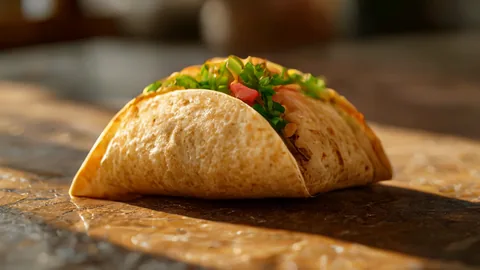
A smartphone captures a close-up shot of sauce being poured over a crispy taco. Implementing a Viral food video strategy requires a mix of high-quality visuals and relatable human experiences.
Content often gains traction when it mirrors the journey of the creator. For instance, some creators have transitioned from formal academic settings to specialized culinary institutes to gain expertise.
This transition from student to explorer creates a compelling narrative arc that viewers find engaging.
Focus on high-impact visual storytelling, such as extreme close-ups of textures, fast-paced editing, and tapping into trending culinary challenges.
How to grow food channel presence?
A creator reviews footage of a street food vendor on a laptop in a quiet cafe. Learning how to grow food channel presence involves consistent engagement with niche topics.
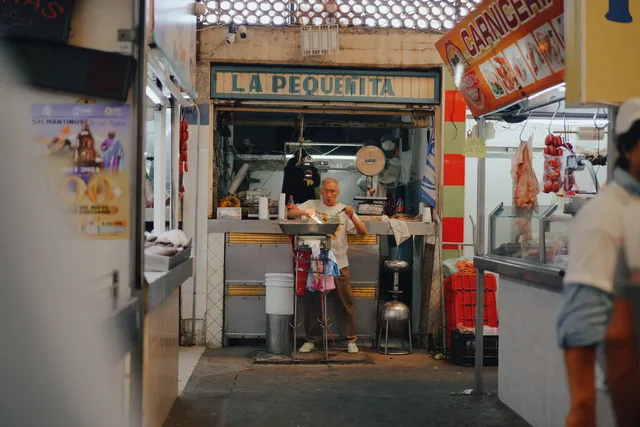
- Research high-traffic travel destinations like Mexico to find relevant keywords. 2. Connect culinary topics to broader economic or agricultural data. 3. Document the authentic struggles and successes of your travels. 4. Check that your footage matches the cultural context of the location.
I found that comparing different regional ingredients helped me understand which flavors tend to trigger more viewer engagement.
The scope of this analysis is limited to the relationship between tourism, agriculture, and content creation, and does not account for specific social media algorithm changes.
Engage with your audience through comments, collaborate with other food creators, and maintain a consistent posting schedule to stay relevant in the algorithm.
Related
- Alejo Igoa subscriber record: How to analyze creator best
- Top Spanish YouTuber trends: How to guide viewer success
When does the world kitchen become a global stage?
The world is a kitchen, and when a creator focuses on the intersection of travel and agriculture, the content gains a broader resonance. The sheer scale of international tourist arrival numbers mentioned previously provides a ready-made audience for this global stage.
This audience seeks narratives that transcend simple meal reviews, looking instead for the story behind the food.
- The high volume of visitors acts as a funnel, directing interest toward regional specialties. 2. Connecting these specialties to the agricultural land usage provides the necessary depth for a global audience. 3. The content must therefore function as an educational journey through the world kitchen.
How does authenticity affect the world kitchen narrative?
Authenticity in the world kitchen content is directly linked to the creator's commitment to the journey itself. Real-world experience, which is a key element in building a brand, must be demonstrated through the content. This commitment allows the creator to move past surface-level reviews.
The dedication shown by some creators, such as saving personal funds for extended travel, signals a genuine interest in the culinary environments. This dedication allows for a more diverse portfolio, proving that the creator is truly exploring the world kitchen, not just sampling it.
Furthermore, documenting the process from farm to table reinforces this commitment to truth in the narrative.
The relationship between tourism and agriculture dictates the available ingredients for the world kitchen; the land provides the raw material for the story. Creators must understand that the physical reality of the destination shapes the content's potential.
Caution is needed to ensure that the focus remains on the connection between the ingredients and the traveler's experience, rather than just the consumption. This focus helps the content achieve the desired broad appeal.




Comments 0