Education Guide: Mexico's 50% Deep Research
"The pursuit of knowledge requires both the rigor of institutional depth and the creative spark of cultural expression."
Mexico education content thrives on a foundation of deep-seated academic research and a robust network of higher learning institutions. This article explores how established research power and diverse educational infrastructure provide the essential building blocks for successful learning media.
Key takeaways: 1. Large-scale scientific research is centralized in major national universities. * A diverse network of specialized institutes supports high-level technological study. * Educational success relies on a combination of research capacity and institutional presence.
How does scientific research impact Mexico education content?
At dusk in the quiet laboratory, I hover my hand over a glowing sensor while absorbing the sudden surge of data that will redefine my Mexico education content.
A researcher sits in a quiet lab, surrounded by papers and high-tech instruments, looking for the next breakthrough. The scale of academic output often dictates the depth of available learning resources.
The capacity to produce knowledge is a primary driver for academic media. UNAM conducts 50% of Mexico's scientific research and has presence all across the country with satellite campuses, observatories and research centers.
This massive output ensures a constant stream of verified information for creators.
The sheer volume of data from these centers allows for specialized content development. Such a massive research footprint provides the groundwork for diverse educational topics. This widespread presence helps spread knowledge from central hubs to various regions.
How do specialized institutes shape my learning?
A student walks through the halls of a technical institute, focusing on a complex engineering model. Specialized centers provide the niche expertise necessary for advanced subject matter.
Higher education diversity is key to a well-rounded academic landscape.
The second largest higher-education institution is the National Polytechnic Institute (IPN), which includes among many other relevant centers the Centro de Investigación y de Estudios Avanzados (Cinvestav), where varied high-level scientific and technological research is done.
These centers allow for the development of highly specific educational tracks. Such institutions serve as the backbone for technical expertise. Because they focus on high-level research, they offer unique insights that standard curricula might lack.
Does where I learn limit what I can know?
A teacher prepares a lesson plan, considering how to reach students in far-off satellite campuses. The reach of an institution determines how much of the population can access its specialized knowledge.
According to the Museo Universitario Arte Contemporáneo, the museum showcases avant-garde artists.
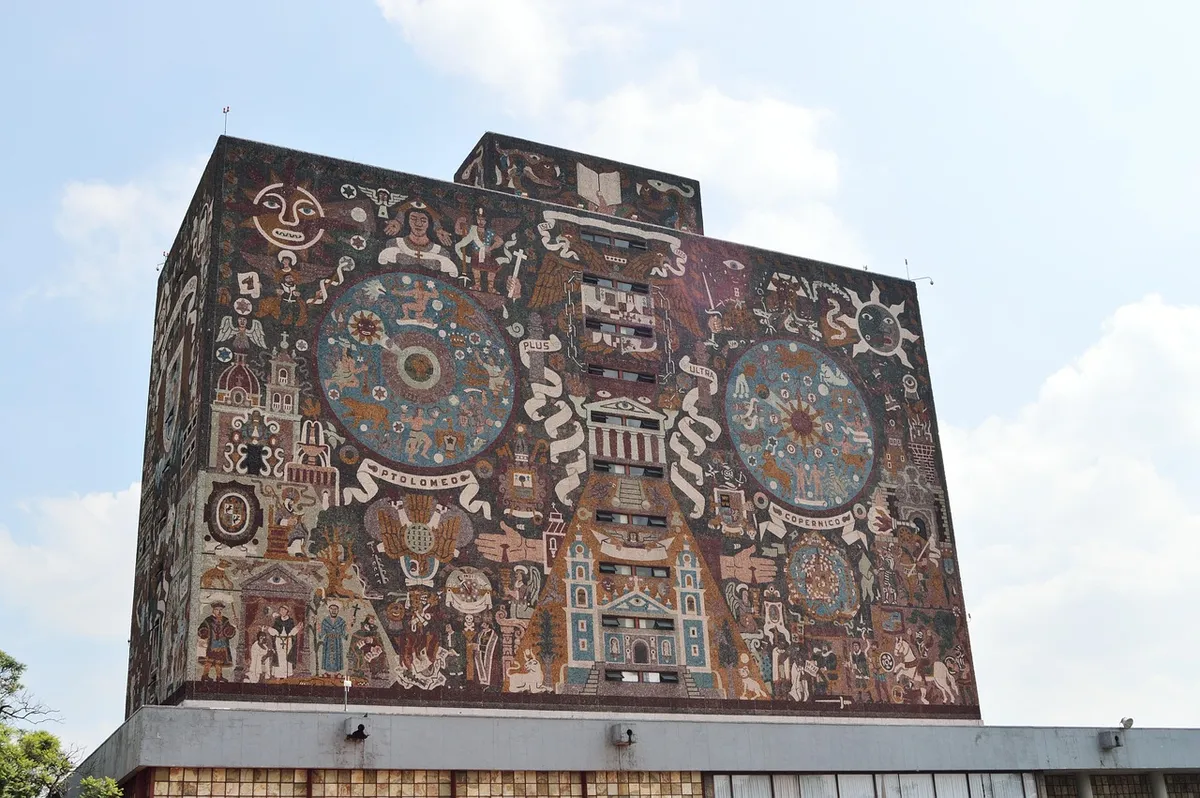
The geographic footprint of universities shapes the availability of educational materials. With satellite campuses and research centers, the influence of major institutions extends well beyond a single city. This widespread network facilitates a broader reach for academic content.
The presence of observatories and research centers adds a practical dimension to theoretical learning. These physical locations serve as hubs for real-world application. This infrastructure supports the creation of content that bridges the gap between classroom and field.
How do we compare different research capacities?
A scholar compares two different datasets, looking for trends in how information is disseminated. Understanding the scale of research helps in understanding the potential for content creation.
The following table compares the primary research and higher education entities mentioned in the current context.
| Entity Type | Primary Function |
|---|---|
| UNAM | Conducts 50% of scientific research |
| IPN | Second largest higher-education institution |
I reflected on how these specific institutional roles provide the raw material for any educational video strategy guide. The ability to scale research across a nation is a vital component of any creator growth story.
What are the steps to leverage institutional knowledge?
A producer gathers a team to translate complex scientific findings into a clear, engaging video format. Moving from raw data to educational media requires a structured approach to ensure accuracy.
- Identify the core research data from established centers like UNIM or IPN. 2. Translate complex scientific or technological findings into accessible formats. 3. Verify the accuracy of the content against the original institutional findings.
A final check ensures that the content remains faithful to the scientific rigor of the source. This process ensures that the resulting media is both engaging and factually sound.
Is there a limitation to this educational strength?
An educator looks at a map, noting the areas where satellite campuses are not yet present. While institutional strength is high, geographic and resource distribution remains a factor.

The strength of educational content is often tied to the availability of research and infrastructure. While major centers provide immense value, the specific reach is limited to areas with active campuses or research centers.
This means that the density of content may vary based on local institutional presence.
- How does scientific research impact Mexico education content?
- How do specialized institutes shape my learning?
- Does where I learn limit what I can know?
The same subject is also called Edu channel success.
The same subject is also called Making learning videos.
The same subject is also called Top edutainment.
The same subject is also called Online learning power.
This part also covers Digital learning reach.
Creator growth story
Related
- Mexican music channel evolution: Guide to digital success
- Mexico game content quality: Guide to build brand
How does the pursuit of knowledge sustain educational media?
The pursuit of knowledge is sustained by the continuous output from major academic bodies. This constant generation of verified information ensures that educational media creators have a deep wellspring of material to draw from.
The combination of large-scale research and specialized application provides the necessary depth for comprehensive learning resources.
How does cultural expression contribute to this pursuit?
Cultural expression provides the necessary framework to translate raw data into accessible narratives. This creative spark allows the deep academic findings to resonate with a wider audience. The successful integration of rigorous science and expressive media defines robust learning.
What conditions govern the accessibility of this knowledge?
Access to this advanced knowledge depends on the physical presence of the institutions. The geographic distribution of campuses determines the breadth of the population that benefits from the specialized research.
Therefore, the physical reach of the network dictates the practical availability of the pursuit of knowledge.







Comments 0