Local food content global: Guide to scaling up
"The dinner table is no longer just a place for local meals; it is a digital stage where regional flavors meet a global audience."
The transition from local food content to a global audience requires leveraging high digital connectivity and diverse cultural landscapes. Content creators can build a massive following by integrating specific regional traditions into broader digital trends.
Key takeaways: * High internet penetration provides a massive digital foundation for content distribution. * Vast geographic diversity offers unique visual and culinary storytelling opportunities. * Balancing local authenticity with global accessibility is essential for scaling.
How can creators use local food content to reach a global audience?
At sunset in the crowded market, I hold my camera steady while the spicy aroma of local spices fills the air.
A creator stands in a bustling market in Mexico City, filming the vibrant colors of fresh chilies and corn. By capturing these authentic moments, they establish a foundation for local food content global reach.
The digital infrastructure in the region provides a strong starting point for any creator. According to World Bank data, Mexico recorded a share of internet users of 83.1% in 2024. This high connectivity allows local stories to be shared instantly across borders.
Expanding a digital presence requires a strategic approach to storytelling. To grow a global channel, creators must find the balance between specific regional ingredients and universal culinary appeal. This process involves turning traditional recipes into visual journeys.
In this sequence, the second step is the most extensive.
How does where I live affect my channel's growth?
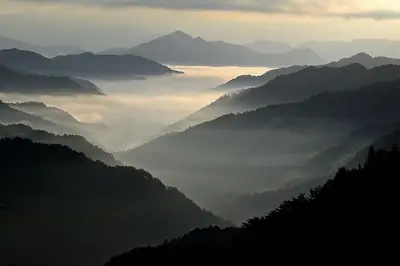
I walk through the dusty northern desert at noon, feeling the heat as I capture the local landscape for my videos. A filmmaker travels from the dry northern deserts to the lush, green southern lowlands, capturing the shifting landscapes. This geographic variety is a key driver for food vlogger growth.

The sheer scale of the territory offers endless variety for visual storytelling. Mexico covers 1,972,550 km2 (761,610 sq mi), and is the thirteenth-largest country in the world by land area. This vastness means that every province offers a different aesthetic and flavor profile.
Using local culture to build a global presence depends on the unique environments creators can access. For instance, the contrast between the dry northern climates and the tropical lowlands provides a rich backdrop for high-quality video production.
This diversity ensures the content remains fresh and engaging for viewers worldwide.
According to World Bank, the 2024 record includes 83.1%.
How do creators manage local to worldwide scaling?
A chef prepares a traditional dish while discussing how to adapt the presentation for a modern, international audience. This careful transition is the essence of local to worldwide scaling.
Scaling a channel involves more than just uploading videos; it requires understanding the logistical realities of the content's origin. While much of the land mass is large, certain areas are difficult to navigate for filming.
For example, much of the land mass is incompatible with agriculture due to aridity, soil, or terrain.
To effectively localize food content, creators must navigate these natural constraints. They can use the challenges of the terrain to tell stories of resilience and traditional farming. This adds a layer of depth that resonates with international viewers.
| Feature | Impact on Content |
|---|---|
| High Internet Usage | Enables rapid global distribution |
| Large Land Area | Provides diverse visual settings |
I focused on how the vastness of the terrain could be used to highlight different agricultural techniques during my research.
How do I successfully scale my food channel? A producer sits at a desk, organizing a content calendar that spans several different regions and seasons. This organized approach is vital for food channel scaling.
Successful scaling follows a structured path to ensure consistency and quality:
- Identify a unique regional niche that offers high visual and sensory appeal. 2. Utilize high-speed internet and digital tools to distribute content to international markets. 3. Adapt the storytelling style to bridge the gap between local traditions and global trends.
A final check ensures that the authenticity of the food is never lost during the scaling process. Maintaining the soul of the cuisine is the most important part of growing a brand.
- Define a unique culinary niche.
- Optimize content for international searchability.
- Build a community through consistent engagement.
What are the limitations of using regional food for global content?
A researcher looks at a map, noting the complexities of regional borders and environmental differences. These nuances define the boundaries of a content strategy.
While the potential is huge, creators must be aware of the physical and political realities of their setting. Some geographers include the territory east of the Isthmus of Tehuantepec (around 12% of the total) within Central America.
Such nuances can affect how audiences perceive the origin of the content.
The diversity of the land also presents natural limitations. For instance, many parts of Mexico, particularly the north, have a dry climate with only sporadic rainfall, which may limit certain types of agricultural storytelling.
Related
- Global Reach: Guide for mexico youtuber global reach success
- YouTuber brand expansion: Tips for a creator product launch
How does the physical environment influence the dinner table experience?
The physical environment dictates the types of ingredients available for the dinner table, grounding the digital journey in reality. The vastness of the territory, which includes areas with arid conditions, shapes the culinary possibilities presented to a global audience.
This interplay between setting and sustenance is crucial for maintaining authenticity.
The contrast between the lush southern lowlands and the dry northern regions offers distinct narratives for the dinner table. Each biome contributes a unique flavor profile that transcends mere recipe reproduction. This environmental dependency adds depth to the visual narrative.
The digital stage where the dinner table resides benefits from this environmental contrast. It allows creators to showcase how local conditions dictate the available ingredients, making the food story more complex than a simple recipe video. This complexity resonates internationally.
What cautions must creators observe regarding the global reach of local flavors?
Creators must remain mindful of the physical constraints when translating local traditions to a global stage. The logistical realities of the content's origin must inform the presentation, even when aiming for broad appeal. This awareness prevents the narrative from becoming idealized.
The arid conditions found in many parts of the country present a natural limitation on certain types of agricultural content. A filmmaker must account for this when planning sequences for the dinner table. This caution ensures the portrayal is honest.
Success in scaling hinges on respecting these natural boundaries while still presenting a compelling visual journey. The digital distribution allows the story to travel, but the roots remain firmly planted in the specific geography. This balance is the ultimate challenge for the content creator.




Comments 0